Common Poker Mistakes to Avoid
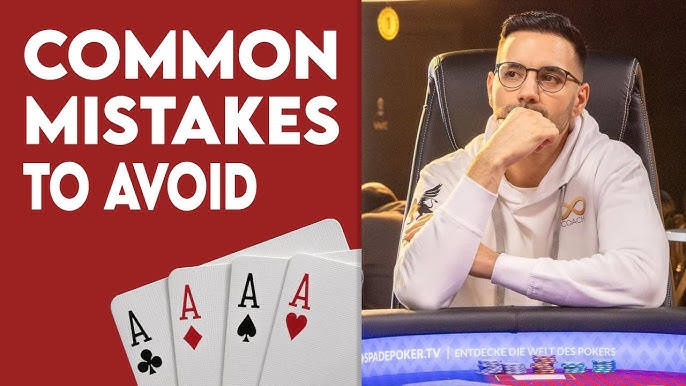
As a seasoned poker player, you’ve likely encountered a myriad of common mistakes that can hinder your success at the tables. Whether you’re a recreational player or an aspiring professional, recognizing and avoiding these pitfalls is crucial to improving your game and maximizing your chances of winning. In this comprehensive article, we’ll delve into the most prevalent poker mistakes and provide you with actionable strategies to overcome them.
Failing to Manage Your Bankroll
One of the most fundamental aspects of successful poker play is effective bankroll management. Failing to allocate your funds appropriately can quickly lead to disastrous consequences, such as going on tilt or even going broke. Experienced players understand the importance of setting a strict budget, determining the appropriate stake sizes for their bankroll, and never risking more than they can afford to lose. By adhering to sound bankroll management principles, you can mitigate the impact of inevitable downswings and ensure the longevity of your poker career.
Overplaying Marginal Hands

In the heat of the moment, it’s easy to become attached to your cards and convince yourself that a mediocre hand has more potential than it truly does. This tendency to overplay marginal hands can be a significant source of leaks in your game. It’s crucial to develop a keen understanding of hand strength and fold equity, and to have the discipline to let go of hands that are unlikely to be profitable in the long run. By focusing on playing high-quality hands and recognizing when to cut your losses, you can significantly improve your overall win rate.
Chasing Draws
One common manifestation of overplaying marginal hands is the tendency to chase draws, particularly when facing significant pot odds. While hitting a flush or straight can be incredibly rewarding, the reality is that the odds of completing these draws are often not favorable enough to justify the investment. By learning to recognize when the pot odds justify a call and when to let go of your draw, you can avoid costly mistakes and preserve your chip stack.
Failing to Fold the Worst Hand
Another pitfall related to overplaying marginal hands is the inability to fold the worst hand. Even in situations where you know you’re beat, the sunk cost fallacy can tempt you to continue investing in a losing proposition. Developing the discipline to fold the worst hand, even when it’s painful to do so, is a hallmark of successful poker players. By learning to let go of these hopeless hands, you can conserve your chips and live to fight another day.
Neglecting Position and Situational Awareness
Position at the poker table is a crucial factor that many players fail to fully appreciate. Being in late position, where you can act after your opponents, confers a significant advantage, as it allows you to gather more information and make more informed decisions. Conversely, playing from early position can be significantly more challenging, as you’re often forced to act without the benefit of knowing your opponents’ actions. Successful players understand the importance of position and adjust their strategies accordingly, tightening their ranges in early position and opening them up in late position.
Ignoring Table Dynamics
In addition to position, successful poker players are also keenly aware of the overall table dynamics. This includes factors such as the playing styles of their opponents, the aggression levels at the table, and the overall mood and energy of the game. By staying attuned to these subtle nuances, you can adapt your play to take advantage of the prevailing conditions and make more profitable decisions.
Tilting and Emotional Volatility
Poker is a game that requires not only technical skill but also emotional control. Falling victim to tilt, a state of heightened emotional arousal that can lead to poor decision-making, is a common pitfall that plagues many players. When faced with bad beats, coolers, or other frustrating situations, it’s crucial to maintain composure and avoid making rash, impulsive plays. Successful players understand the importance of emotional intelligence and have developed strategies to manage their emotions, such as taking breaks, practicing mindfulness, or seeking support from a trusted poker coach or mentor.
Chasing Losses
One manifestation of tilting behavior is the tendency to chase losses. When faced with a string of unfavorable outcomes, some players become desperate to recoup their losses, leading them to make increasingly risky and ill-advised decisions. This spiral can quickly spiral out of control, leading to significant financial and emotional damage. By recognizing the signs of tilt and implementing effective coping mechanisms, you can protect your bankroll and your overall well-being.
Remember, poker is a game of skill, patience, and discipline. By recognizing and avoiding these common mistakes, you’ll be well on your way to becoming a more successful and profitable player. As you continue to hone your craft, always keep in mind the importance of responsible gambling and prioritize your overall well-being. Good luck at the tables!


Post Comment