Ultimate Poker Guide for Beginners
Poker is a beloved card game that has captivated audiences worldwide, from high-stakes tournaments to friendly home games. Whether you’re a seasoned player or a complete beginner, mastering the fundamentals of poker can unlock a world of strategic excitement and potential winnings. In this comprehensive guide, we’ll delve into the essential tips and techniques that will help you navigate the thrilling realm of poker as a newcomer.
Understanding the Basics of Poker
At its core, poker is a game of skill, strategy, and a little bit of luck. The objective is to make the best possible hand using the cards dealt to you and those on the table. There are several variations of poker, but the most widely played is Texas Hold’em, which is the focus of this guide.
The Basics of Texas Hold’em
In Texas Hold’em, each player is dealt two hole cards, and then five community cards are dealt face-up on the table. The goal is to make the best five-card hand using a combination of your hole cards and the community cards. The game progresses through several betting rounds, with players making decisions to check, bet, raise, or fold based on the strength of their hands and the actions of their opponents.
Understanding Hand Rankings
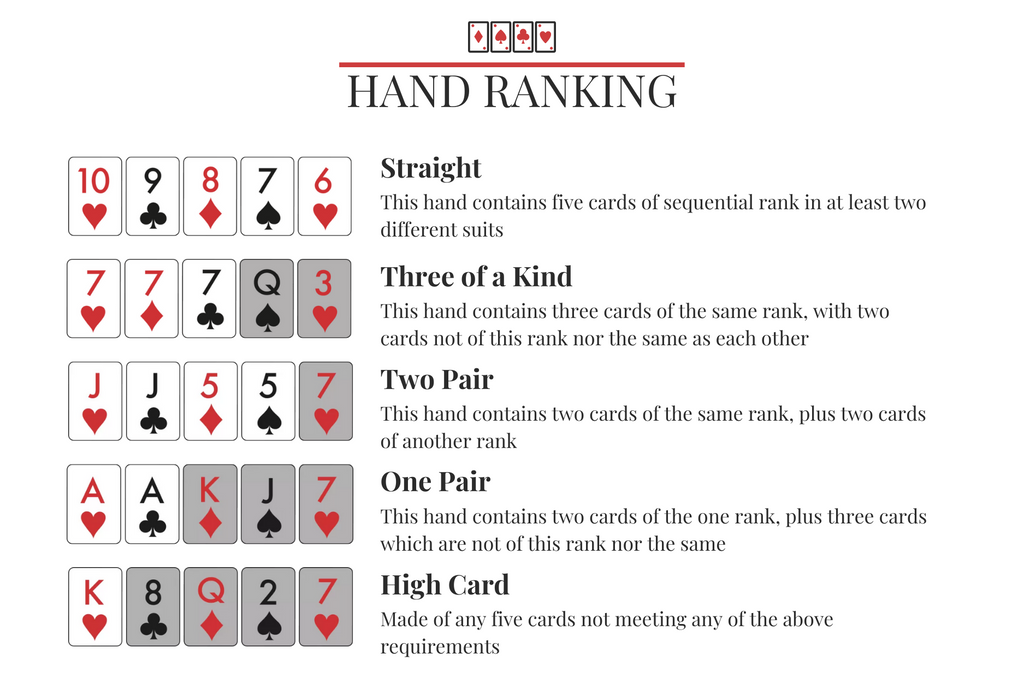
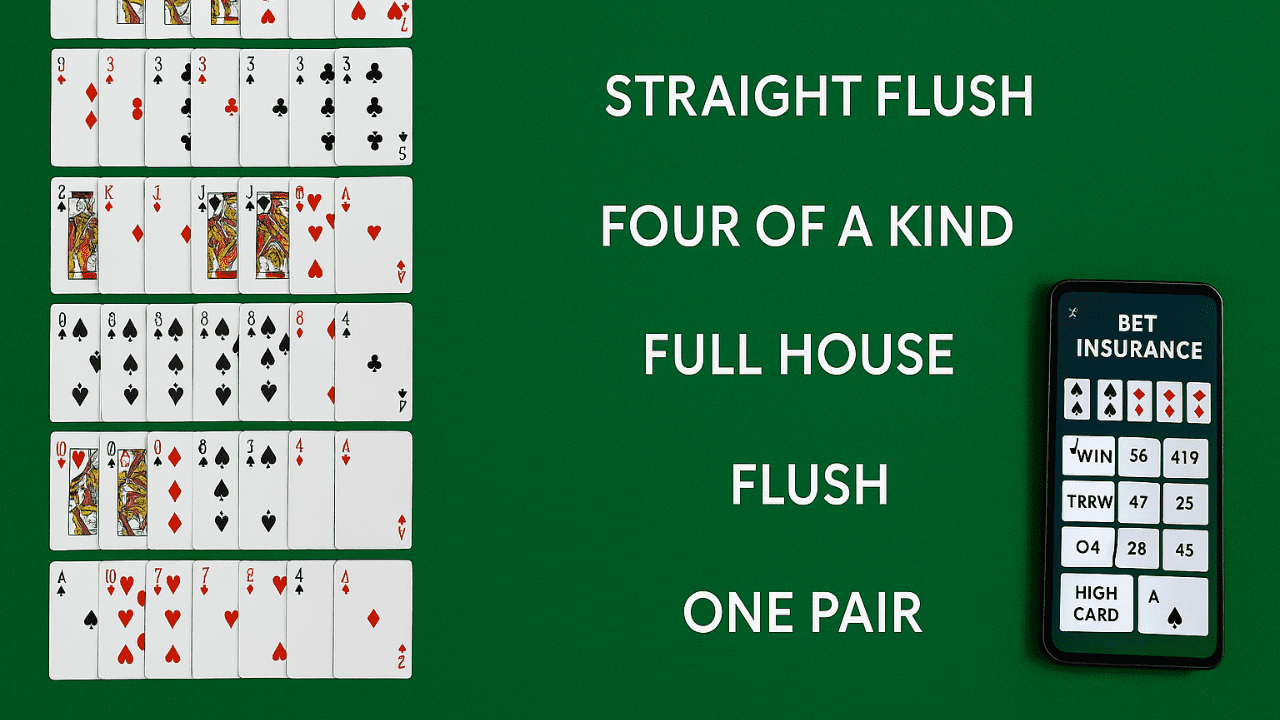
Poker hand rankings are the foundation of the game, and it’s essential to familiarize yourself with them. The highest hand is a Royal Flush, followed by Straight Flush, Four of a Kind, Full House, Flush, Straight, Three of a Kind, Two Pair, and One Pair. Knowing these rankings will help you make informed decisions during the game.
Developing Effective Poker Strategies

While poker involves an element of chance, developing sound strategies can significantly improve your chances of success. Here are some key strategies to consider as a beginner:
Bankroll Management
Effective bankroll management is crucial in poker. It’s important to set a budget and stick to it, never risking more than you can afford to lose. This approach will help you avoid chasing losses and maintain a level head throughout your poker journey.
Starting Hand Selection
Not all starting hands are created equal in poker. As a beginner, it’s wise to focus on playing strong starting hands, such as pocket pairs (e.g., pocket aces or pocket kings) and high-card starting hands (e.g., ace-king or ace-queen). This will help you avoid getting involved in too many marginal situations, which can be costly for a novice player.
Position and Pot Odds
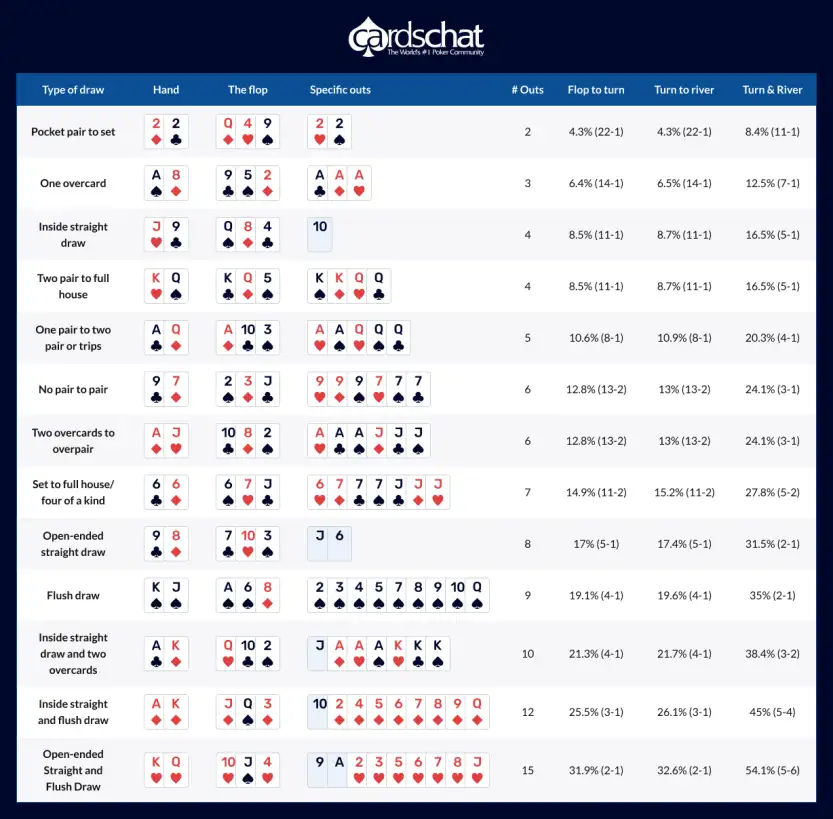
Understanding the importance of position and pot odds is crucial in poker. Position refers to the order in which players act, and it can significantly impact the strength of your hand and your decision-making process. Pot odds, on the other hand, help you determine the likelihood of improving your hand and the potential payoff of a call or raise.
Mastering Poker Psychology
Poker is not just about the cards; it’s also a game of psychology. Developing an understanding of your opponents’ behavior and emotions can give you a significant edge.
Identifying and Exploiting Tells
Tells are subtle physical or behavioral cues that can reveal information about an opponent’s hand strength or decision-making process. As a beginner, observe your opponents closely and try to identify any patterns or tells that you can use to your advantage.
Controlling Your Emotions
Poker can be an emotionally charged game, and it’s important to maintain a calm and disciplined approach. Avoid making rash decisions based on tilt or frustration, as these can lead to costly mistakes. Instead, focus on staying level-headed and making decisions based on the game state and your opponents’ actions.
Practicing and Improving Your Skills
Like any skill, becoming a proficient poker player requires consistent practice and a willingness to learn. Here are some tips to help you improve your game:
Studying the Game
Invest time in studying the game, whether it’s reading books, watching instructional videos, or participating in online forums. This will help you deepen your understanding of poker strategies, concepts, and the evolving dynamics of the game.
Practicing with Play Money
Before risking your hard-earned money, practice with play money games, either online or at your local casino. This will allow you to experiment with different strategies, test your decision-making, and gain valuable experience without the pressure of real-money play.
Remember, becoming a successful poker player takes time, dedication, and a commitment to continuous learning. Embrace the journey, stay disciplined, and always gamble responsibly. Good luck on the felt!
Responsible Gambling Advice: Gambling should be enjoyed for entertainment purposes only. Set a budget, never chase losses, and know when to walk away. If you or someone you know is struggling with problem gambling, seek help from a responsible gambling organization.

Post Comment